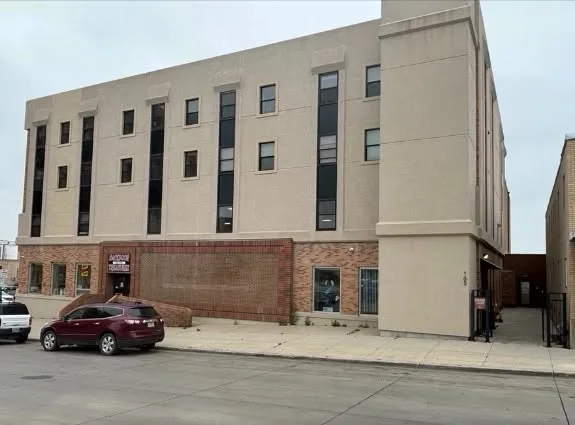
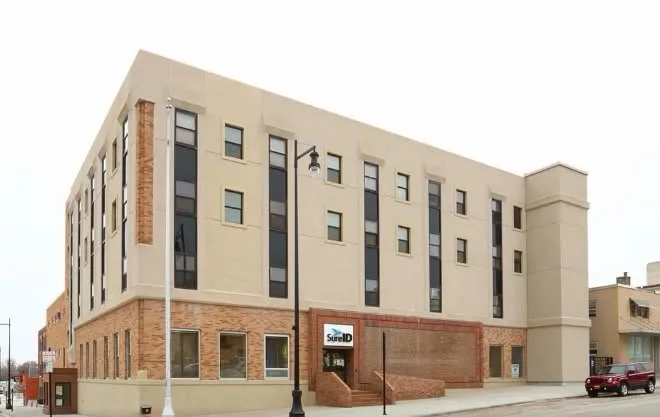
When I left the Data Center business in 2013, I wanted to get more involved in real estate. One of the tech founders that our Angel investment group had funded was from North Dakota, and asked for my help. He'd recently acquired the old YMCA in his hometown, but a contractor had taken advantage of him on the project. He asked me to step in, take the lead, and get it back on track.
When it was done, I was surprised how much value a single transaction could create. The timing, right after the downturn, obviously helped. Cycles matter.
In real estate, forcing appreciation isn't about dumping endless cash into a project. It's about smart sequencing, lease stabilization, and strategic refinancing.
Here's how that phased redevelopment turned a $750K acquisition into a $5.5M cash-flowing asset:
Secure the Anchor (Stabilize First)
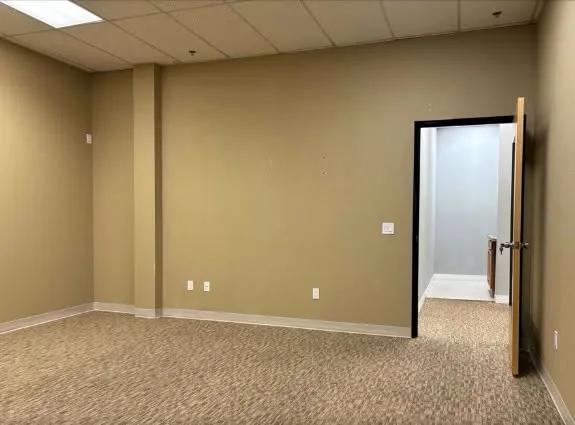
The project began with a $750K purchase, funded with an initial ~$1.7M loan. Instead of remodeling the whole building at once, the priority was landing high-credit institutional tenants, a defense contractor and a federal agency. Government-backed leases instantly stabilized the property's Net Operating Income (NOI).
Re-Appraise & Extract Equity
With strong commercial leases in place, a new appraisal reflected a major jump in asset value. That added equity supported a second loan against the new valuation, funding phase two without any new cash out of pocket.
Adaptive Reuse
Those refinancing proceeds went straight into converting the underused 3rd and 4th floors into high-end multifamily units. Blending long-term commercial leases with residential income created a resilient, dual-engine revenue model.
The Final Numbers
- Sponsor Cash Invested: $750,000
- Total Final Debt: ~$2,200,000
- Appraised Value: $5,500,000
- Total Value Created: $2,550,000
The Takeaway
You don't need to fund a development all at once. By building in phases — stabilizing cash flow first, tapping into newly created equity, then reinvesting into smarter space usage — you can scale project value exponentially while keeping your original capital footprint minimal.
Not every project works, and timing in the real estate cycle matters. But when it works, it can be one of the best wealth-building tools out there.